-
Can Software Metrics Really Help Us Find Defects?
Teams shouldn’t ask “Will this module have a defect?”They should ask “Which modules are riskier than others?” Why This Analysis Exists? This analysis does not claim to perfectly predict defects. Instead, it evaluates whether common software metrics — lines of code (LOC), cyclomatic complexity (v(g)), essential complexity (ev(g)), design complexity (iv(g)), and effort — provide…
-
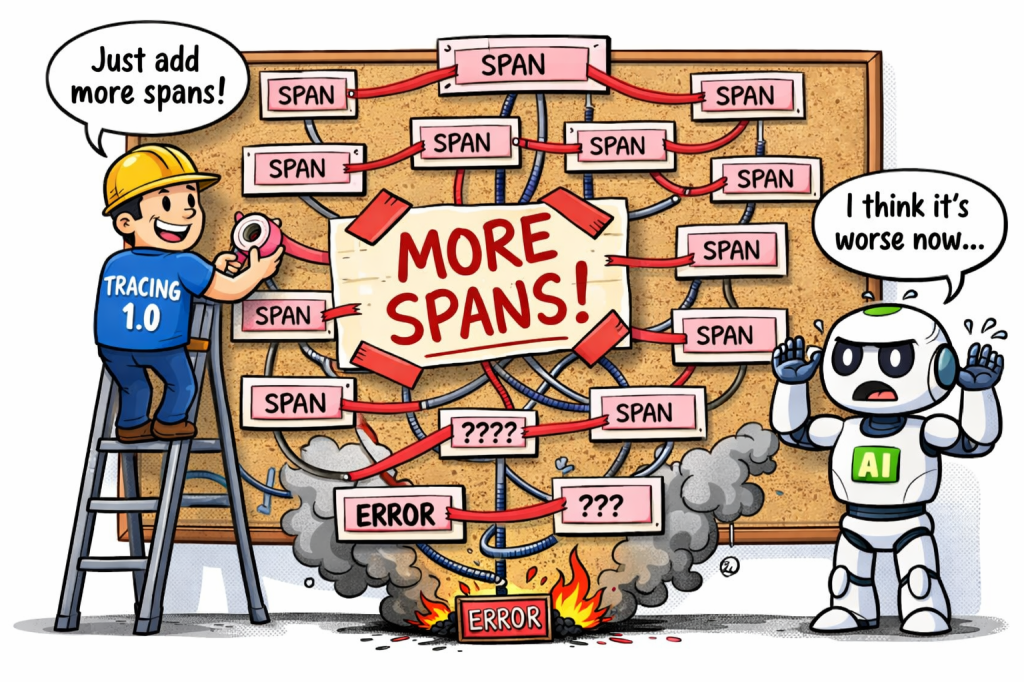
Post #4: Observability 2.0 (Part 2): What Tracing Must Become for Agentic Systems
From Tracing Execution to Tracing Decisions In Part 1, we showed why traditional tracing breaks for agentic AI. Distributed tracing was built to explain pipelines.Agentic systems behave like decision graphs. Tracing today tells us where time went.Agentic systems require us to understand why decisions were made. That is the core shift behind Tracing 2.0. Why…
-
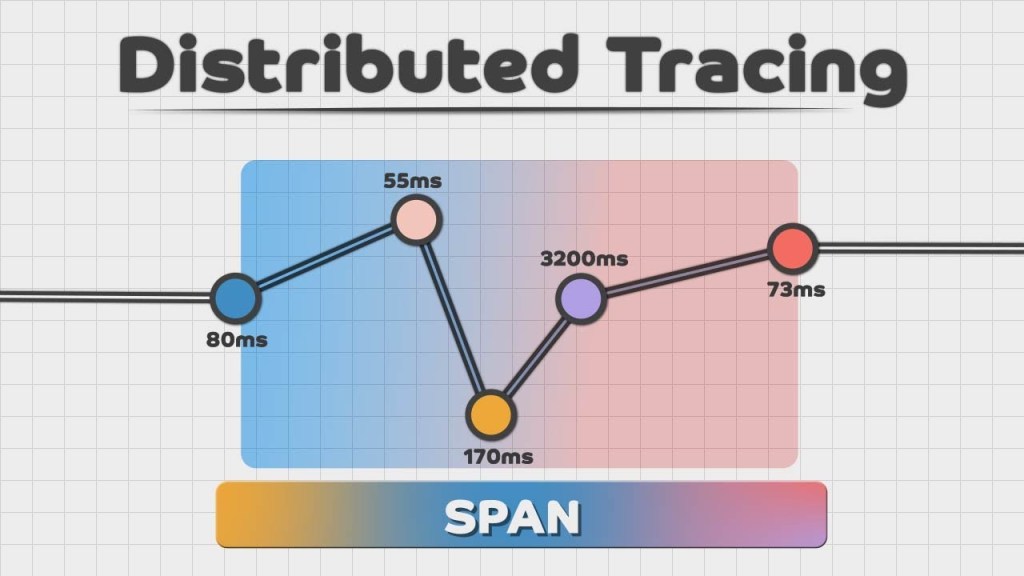
Post #3: Observability 2.0 (Part 1): Why Tracing Must Evolve Beyond Distributed Systems
What tracing solves today — and why the model breaks for agentic AI Distributed systems are now the backbone of every modern product: microservices, serverless functions, queues, caches, APIs, edge nodes, and cloud integrations. As systems grew more fragmented, the industry needed a way to understand how a single request moves across dozens or hundreds…
-
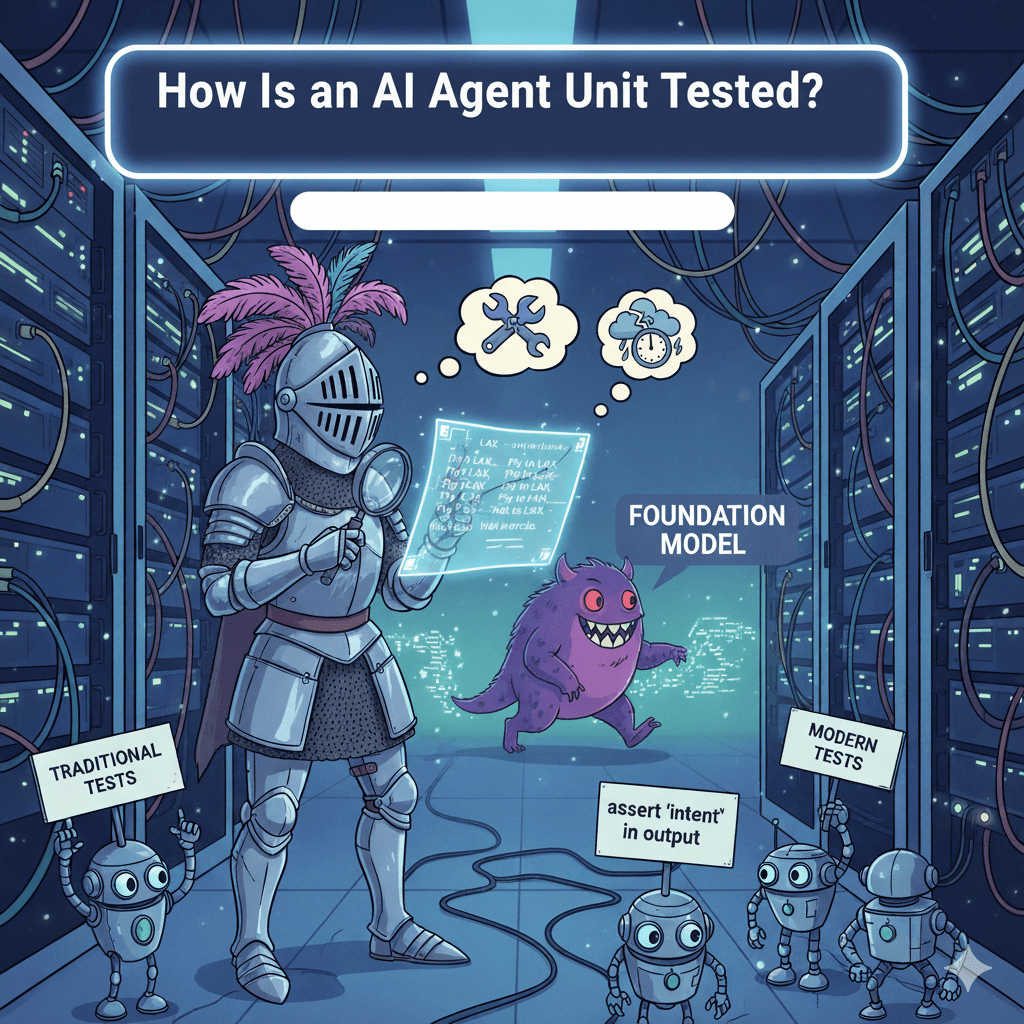
Post #2: Beyond Assertions: How Do You Unit Test an AI Agent?
A Motivational Example John built a travel-planning AI agent that worked flawlessly during development.Three weeks after release, users suddenly reported: John’s code hadn’t changed.The foundation model had — and because his tests only checked exact outputs, nothing caught the regression. This is the modern testing problem: You’re not just testing code anymore.You’re testing behavior. Why…
-
Post #1: Beyond Assertions: Rethinking Test Engineering in the Age of Agentic AI
“Assertions validate outcomes. Observability validates understanding.” What’s at Stake When Software Outgrows Binary Testing? For decades, test engineering has revolved around assertions — verifying whether what we expected actually happened. A green checkmark meant success. But software today is no longer binary. Distributed systems, AI models, and autonomous agents behave probabilistically, contextually, and often non-deterministically.…
-
Subscribe
Subscribed
Already have a WordPress.com account? Log in now.
 BeyondAssertions